Rhinoplasty (Surgery of the Nose)

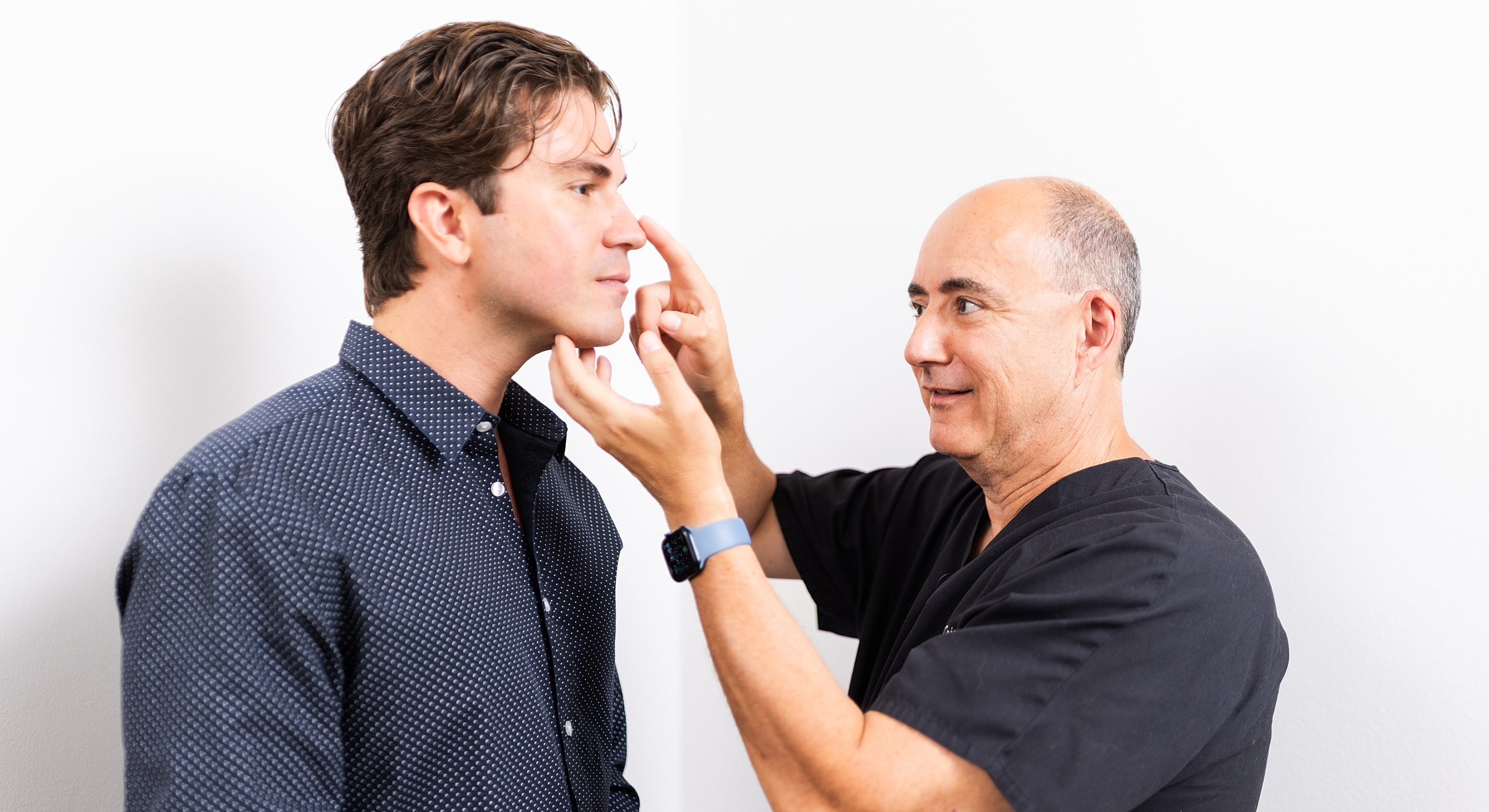
Every year, half a million people interested in improving the appearance of their noses seek consultations with facial plastic surgeons. Some are unhappy with the noses they were born with, some dislike the way aging has changed their nose, and others have sustained injuries that may have distorted the nose or impaired breathing. Nothing has a greater impact on how a person looks than the size and shape of the nose. Because the nose is the most defining characteristic of the face, a slight alteration can greatly improve one’s appearance, and other nasal surgeries can correct breathing and nasal obstructions.
At Couture Plastic Surgery, rhinoplasty or septoplasty surgery is approached with careful planning, technical precision, and an appreciation for natural beauty. Every procedure is designed around your anatomy, goals, and lifestyle so your results feel authentic rather than overdone.

Surgical reshaping of the nose to improve appearance, function, or both.
Approximately 2 to 4 hours.
Most patients return to work or school within 1 to 2 weeks.
Initial improvements appear after swelling decreases, with final refinement developing over 12 months.

Rhinoplasty, often called a nose job, is a form of cosmetic surgery and one of the most precise surgical procedures used to reshape the nose for aesthetic or functional purposes, improving facial balance, enhancing nasal function, or accomplishing both goals simultaneously. Every rhinoplasty is unique because each patient's anatomy and desired outcome differ.
The procedure may involve refining the nasal bridge, reshaping the nasal tip, narrowing the nostrils, correcting a crooked nose, reducing a nasal hump, or improving breathing caused by a deviated septum or other structural concerns. As a type of nasal surgery focused on thoughtful nose reshaping, it can also be combined with a septoplasty to improve airflow when needed. Depending on your needs, rhinoplasty may be performed as cosmetic rhinoplasty, functional rhinoplasty, or a combination of both.
Dr. Jordan develops a personalized surgical plan that respects your natural facial proportions while creating a nose that feels beautifully suited to your other features.
Now you can use the same digital imaging technology that plastic surgeons use to visualize plastic surgery results – for free and in a super easy-to-use site.
Seeing a new you has never been so easy! FaceTouchUp is fast, free, and fun.

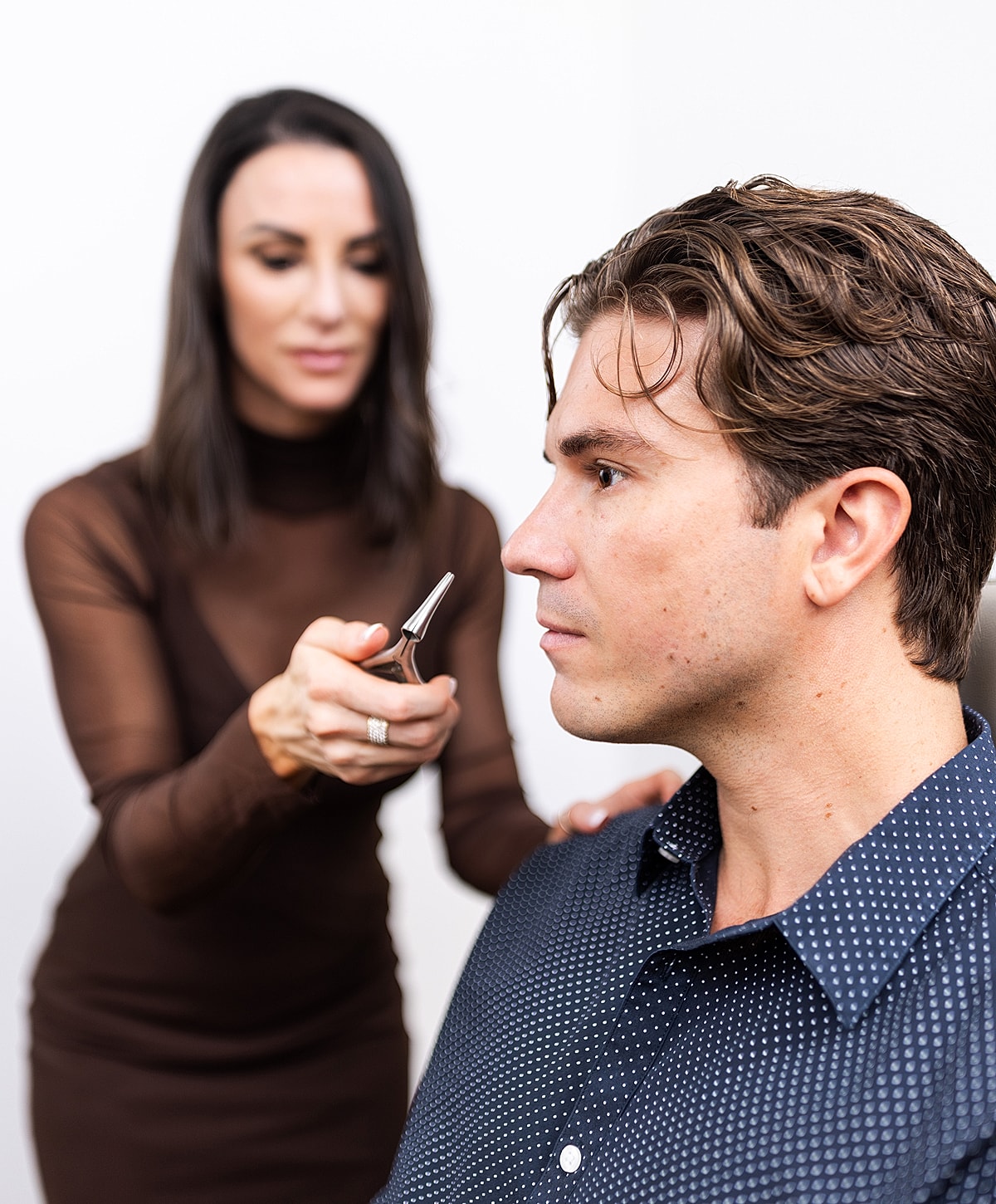
Your experience begins with an initial consultation where Dr. Jordan reviews your medical history, discusses your goals, evaluates your nasal anatomy, and examines both the appearance and function of your nose, with planning shaped by realistic expectations about outcomes. Photographs may be taken to assist with surgical planning and to guide conversations about your desired outcome.
Rhinoplasty is typically performed as an outpatient procedure under general anesthesia. Depending on your anatomy and the changes being made, Dr. Jordan may recommend an open rhinoplasty approach, which involves an incision on the columella and provides better visualization for complex cases, or a closed rhinoplasty approach, with incisions made entirely inside the nostrils. During surgery, the underlying bone and cartilage are carefully reshaped to refine the nasal contours while preserving structural support and healthy nasal function.
If breathing concerns are present, procedures such as correction of a deviated nasal septum or inferior turbinate reduction may also be performed during the same surgery to improve airflow through the nasal passages. After surgery, a protective splint is placed on the nose while the tissues begin to heal. Patients return home the same day with detailed recovery instructions and scheduled follow-up appointments.
View our before & after gallery and procedure instructions below
* You will be MOUTH-BREATHING due to packing and swelling inside your nose.
* You will be stuffy for a couple of weeks.
Nasal Irrigations: (Start morning after surgery, Irrigate 4-6 times a day)
Rhinoplasty can address both cosmetic and functional concerns, including:
It can also correct some functional birth defects of the nose. While rhinoplasty often improves breathing and structure, any surgical plan must account for the possibility that changes to the nose could make breathing harder if not carefully managed. Because appearance and breathing often influence one another, many patients benefit from addressing both during a single procedure.

Rhinoplasty focuses on the entire nose, including the nasal bridge, nasal tip, nostrils, nasal bones, cartilage, septum, internal nasal airway, and the nasal cavity, with planning sometimes refining projection or lift, including the angle of the nasal tip, when that better supports facial balance. The procedure may also improve overall facial balance by bringing the nose into better proportion with the chin, cheeks, upper lip, and eyes.
For many patients, rhinoplasty offers a meaningful improvement in both appearance and confidence. Refining the nose can soften prominent features, create better facial harmony, and produce a more balanced profile without changing your overall identity or overwhelming your appearance.
Functional improvements can be equally significant, as rhinoplasty can enhance facial appearance and improve nasal function, supporting easier nasal breathing for patients dealing with chronic nasal obstruction, breathing difficulties, or structural concerns. Addressing cosmetic and functional issues together allows patients to enjoy both aesthetic enhancement and improved quality of life.
Perhaps most importantly, rhinoplasty is highly individualized. Rather than creating a "perfect" nose, Dr. Jordan focuses on creating the right nose for your unique face.
Skin type, ethnic background, and age are important factors to be considered in discussions with your surgeon prior to surgery. Before the nose is altered, a young patient must reach full growth, usually around age fifteen or sixteen. Exceptions are cases in which breathing is severely impaired.
Healthy adults in good physical health who are bothered by the appearance of their nose or experience breathing problems may be good candidates for rhinoplasty. Psychological health also plays an important role in candidacy. Candidates should have completed facial growth, maintain realistic expectations, and be in good overall health.
Before deciding on a rhinoplasty, ask Dr. Jordan whether any additional surgery might be recommended to enhance your facial appearance. Many patients have chin augmentation in conjunction with a rhinoplasty to create a better balance of features. During your visit, Dr. Jordan will evaluate your anatomy, discuss your concerns, and determine the safest approach for achieving your goals.
Thank you for visiting our site. Call (904) 249-2580 to schedule your complimentary consultation or contact us at info@facesonly.com for more information.
We offer two convenient locations in Jacksonville Beach and Amelia Island. Financing is also available through CareCredit, making it easier to move forward with the care you want.
Interested in our services? We’re here to help!
We want to know your exact needs so we can provide the perfect solution. Look and feel better today!
Recovery is gradual, and patience is an important part of the process, with strict guidelines for medication and activity shaping the early recovery period. Most patients experience swelling, congestion, and minor bruising around the eyes during the first week. Swelling and scarring can occur after rhinoplasty, though bruising under the eyes typically resolves within 2 weeks. External sutures are often removed at 4-5 days post-surgery, and the external cast is removed at about 1 week, if applicable to the technique used. A nasal splint may also be used to help protect and stabilize the patient's nose, and many patients feel comfortable returning to work or social activities within 7 to 14 days.
Swelling continues to improve over several months, with residual swelling, especially at the tip, sometimes taking at least 1 year to diminish. Patients are encouraged to sleep with their head elevated, avoid strenuous activity for 2-3 weeks, protect healing nasal tissue from sunlight after surgery, and protect the nose from accidental impact while the underlying bone and cartilage continue to stabilize.
Patients should also watch for issues such as bleeding, infection, or pain and report concerning symptoms promptly. Throughout recovery, the Couture Plastic Surgery team remains readily available to answer questions and provide guidance at every stage of healing.
While you'll begin noticing changes shortly after your splint is removed, rhinoplasty is a procedure that continues to improve with time. As swelling gradually resolves, the refined contours become increasingly defined, revealing a nose that feels naturally balanced with the rest of your facial features.
Final rhinoplasty results often take up to a year to fully develop, particularly around the nasal tip. Once healing is complete, the results are considered long-lasting. Although the natural aging process continues, the structural improvements made during surgery remain, allowing patients to enjoy their enhanced appearance and improved nasal function for many years.
At Couture Plastic Surgery, every procedure begins with listening, especially because revision surgery is required in 5% to 15% of cases, making careful planning and surgical judgment essential. Dr. Ashley Jordan takes the time to understand what you hope to achieve before developing a surgical plan tailored to your anatomy and lifestyle.
Patients appreciate the personalized attention that defines the Couture experience. From your first consultation through every follow-up appointment, you'll receive compassionate guidance, direct communication, and attentive care that reflects the practice's commitment to exceptional service. That matters even more in technically demanding cases, where experienced plastic surgeons play a critical role in both long-term planning and immediate results. The result is a surgical experience centered on trust, comfort, and beautifully natural outcomes.
Rhinoplasty is one of the most individualized procedures in plastic surgery. Dr. Ashley Jordan carefully evaluates your facial proportions, nasal structure, skin quality, and functional concerns before creating a treatment plan. Combined with Couture Plastic Surgery's signature white-glove care, every step of the process is designed to help you feel informed, supported, and confident.
No. A well-planned rhinoplasty is designed to improve facial harmony, not make you look like someone else. Many patients find they simply look more balanced and refreshed while maintaining the features that make them recognizable.
Most rhinoplasty procedures take between two and four hours, depending on the complexity of the surgery and whether functional corrections are performed at the same time.
Yes. Functional rhinoplasty can correct structural issues such as a deviated septum, nasal obstruction, or other conditions that affect airflow through the nasal passages. These concerns are often addressed during cosmetic rhinoplasty when appropriate.
Yes. Once healing is complete, the structural changes made during rhinoplasty are considered permanent. While your face will continue to age naturally, the improvements created during surgery typically remain stable for many years.
Revision rhinoplasty is performed to improve the appearance or function of the nose after a previous rhinoplasty. It is needed in roughly 5-20% of cases, which is why strong planning matters from the start. Issues such as a pollybeak deformity, which accounts for about 50% of revision rhinoplasties, are among the reasons some patients pursue revision surgery. Because scar tissue, altered anatomy, and the demands of surgical reconstruction add complexity, revision procedures may also require rib cartilage and always require careful planning and an individualized surgical approach.
Most scars are very discreet. Closed rhinoplasty leaves no visible external scar, while open rhinoplasty involves a small incision across the columella, the strip of tissue between the nostrils. When properly cared for, this scar typically heals to become barely noticeable over time.